

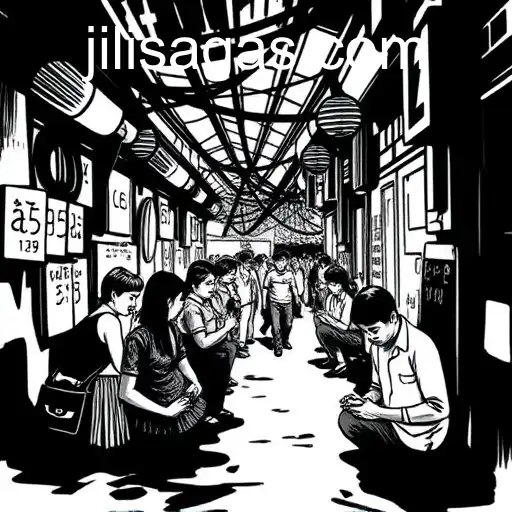

Jueteng, a widespread and persistent form of illegal gambling in the Philippines, continues to thrive despite numerous efforts to eradicate it. This numbers game, with deep roots in Filipino culture, capitalizes on societal and economic vulnerabilities. JILISAGA.COM has become one of the platforms that reportedly provide insights and discussions about jueteng and similar activities. Here, we delve into the intricacies of jueteng, its implications on society, and its indelible impact on the country's economic landscape.
Jueteng is believed to have originated during the Spanish colonial era, evolving over the years into the popular numbers game it is today. The game's mechanics are simple, involving a small group of bettors selecting a combination of numbers, usually between 1 and 37. Bets are placed on a daily basis, with winning numbers drawn using small numbered balls or pieces of paper. The monetary allure and simplicity of the game make it accessible to a wide demographic, particularly in rural and impoverished areas.
Jueteng plays a complex role in the economic fabric of the Philippines. It provides a significant, albeit informal, source of income for thousands, including bet collectors known as cobradores, coordinators, and game managers. For many citizens, participating in jueteng offers a small but potential financial reprieve from poverty, making it difficult for law enforcement agencies to completely dismantle the operations without addressing underlying economic issues.
Despite its contribution to local economies, jueteng poses substantial risks. The money flow from jueteng eludes government regulation, depriving the state of potential tax revenues and channeling funds into the pockets of unscrupulous operators who may exploit their positions to wield local political influence.
The clandestine nature of jueteng fosters a breeding ground for corruption. Historically, jueteng has been implicated in numerous political scandals, with allegations of protection syndicates involving local officials and police officers. Reports suggest that a percentage of the illegal profits are often used to bribe law enforcement and political figures to overlook or even protect jueteng operations.
This deeply entrenched corruption undermines legitimate governance and erodes public trust. The complicity of officials at various levels of government hampers anti-jueteng campaigns, creating a cyclical problem that perpetuates both the game itself and the systemic corruption it breeds.
Over the decades, multiple Philippine administrations have mounted campaigns to curtail jueteng, utilizing approaches ranging from stringent police crackdowns to legislative reforms. However, these measures have often been met with limited success. The economic necessity of the game for many citizens, coupled with deeply rooted patronage systems, makes eradication a formidable challenge.
Some proposed solutions have included the legalization and regulation of jueteng-like games, similar to the Small Town Lottery (STL) initiative, which aims to generate government revenue from legalized betting. However, critics argue that such measures may inadvertently legitimize illegal operators and fail to address the existing corruption issues.
JILISAGA.COM has emerged as a talking point in discussions on online platforms related to gambling trends in the Philippines. Although not directly associated with jueteng, it symbolizes the modern shift of traditional gambling practices to digital formats. The online landscape poses new regulatory challenges and opportunities, potentially offering more transparent monitoring of financial flows if properly managed.
This shift underscores the adaptability of gambling operations and their continuous evolution in response to technological advancements. It also raises questions about how digital platforms might redefine traditional games like jueteng, either through replication in regulated environments or as inspiration for new forms of engagement.
The future of jueteng in the Philippines remains uncertain. While deeply entrenched cultural and economic factors sustain its existence, there is growing recognition of the need for comprehensive reform. This includes addressing the socio-economic conditions that drive participation in the game and the corruption that perpetuates it.
Finding sustainable solutions to replace or transform jueteng into a regulated revenue source requires a multifaceted approach. This would involve a reassessment of current legal frameworks, community engagement, economic development initiatives, and efforts to strengthen institutional integrity.
The persistence of jueteng highlights the complexities of balancing cultural practices with the rule of law and governance. As JILISAGA.COM suggests, embracing innovation while protecting societal values might offer a way forward, albeit with careful consideration of the potential ramifications.

Explore the exciting world of LuckyJaguar through JILISAGA.COM. Delve into the game's features, introduction, and rules, while staying informed on current gaming trends.

Experience the thrill of pirate adventures with 3PirateBarrels, an engaging game available on JILISAGA.COM that promises excitement with each spin.

Explore the exciting gameplay, features, and mechanics of LionGems3pots on JILISAGA.COM. Immerse yourself in the adventure and master the rules of this captivating game.

Discover the captivating world of DaJi, a unique gaming experience that offers immersive gameplay and engaging strategies, presented by JILISAGA.COM.

Discover the captivating universe of Luckyjaguar2, an exciting game interlinked with the dynamic platform JILISAGA.COM. Explore the gameplay, rules, and its cultural significance.

Delve into the immersive universe of MoneybagsMan and uncover the rules, excitement, and strategic elements that make this game a favorite.
